
Vehicle Overview
The 2011 Chevrolet Equinox offers a blend of compact SUV versatility and a well‑equipped interior. Its owners manual details power‑train options‚ maintenance schedules‚ safety systems‚ and troubleshooting guidance‚ helping drivers maintain performance and reliability. It also covers optional features.
Overview of 2011 Chevrolet Equinox
The 2011 Chevrolet Equinox is a compact crossover that blends SUV practicality with a comfortable‚ well‑equipped cabin. Its 2.4‑liter engine delivers 155 horsepower and 161 lb‑ft of torque‚ while the optional 3.6‑liter V6 pushes output to 210 horsepower. A six‑speed automatic pairs with front‑wheel or all‑wheel drive‚ enhancing traction on varied roadways. The curb weight ranges from 3‚300 to 3‚600 pounds‚ and 15‑inch alloy wheels provide a balanced stance. Standard features include power‑adjustable seats‚ dual‑zone climate control‚ a 7‑inch touchscreen‚ Bluetooth‚ and a rear‑view camera. Safety equipment encompasses antilock brakes‚ stability control‚ front‑airbag‚ side‑airbag‚ and side‑impact beams. Fuel economy averages 21 mpg city and 26 mpg highway‚ with a 15‑gallon tank for long trips. The owner’s manual recommends oil changes every 5‚000 miles‚ tire rotations every 7‚500 miles‚ and brake pad inspections every 15‚000 miles‚ while also guiding users on accessing the diagnostic port and resetting service lights. The Equinox is available in Base‚ LS‚ and LT trims‚ each adding convenience and technology. The LT trim introduces leather seats and blind‑spot monitoring. The steering is power‑assisted with a 15‑inch wheel. The interior supports family use‚ with a rear‑seat divider‚ cup holders‚ and cargo space expanding to 62.1 cubic feet. Owners should also consult the warranty booklet for coverage details. Check the service interval chart for detailed timing. Use genuine parts for best durability. Keep all records for resale value. Follow the manual’s checklist for each service. Keep the battery clean to avoid starting issues. Inspect the brakes for wear before long trips. Maintain the cooling system to prevent overheating. Check the transmission fluid at recommended intervals. Use the owner’s guide for troubleshooting. Keep the vehicle clean to preserve its appearance. Use the owner’s manual for all maintenance tasks. Check the owner’s manual for warranty details. Maintain the vehicle to keep it reliable and safe.

Interior Features
The 2011 Equinox cabin features power‑adjustable front seats‚ climate control‚ a 7‑inch touchscreen with Bluetooth‚ a rear‑view camera‚ leather upholstery. Standard safety includes side‑air bags and a driver‑air bag‚ while the layout offers 62.1 cu ft cargo space.User‑friendly
Interior Comfort and Controls
The 2011 Chevrolet Equinox offers a thoughtfully designed interior that prioritizes both comfort and convenience for drivers and passengers. The front seats are power‑adjustable with lumbar support‚ allowing occupants to find the most ergonomic position for long drives. A dual‑zone climate control system automatically balances temperature between the driver and front passenger‚ while rear passengers can adjust their own settings via a dedicated panel. The steering wheel is upholstered in soft leather and features integrated controls for the audio system‚ cruise control‚ and a hands‑free phone interface‚ reducing the need to reach for buttons. The dashboard houses a 7‑inch touchscreen display that provides access to navigation‚ media‚ and vehicle settings. Bluetooth connectivity enables seamless pairing with smartphones for hands‑free calling and streaming music. A rear‑view camera on the hatch shows a video feed on a screen‚ improving visibility when reversing. The cabin is equipped with a 60/40 split rear seat that folds flat to expand cargo capacity to 62.1 cubic feet. Standard safety features include side‑air bags for front and rear passengers‚ a driver‑air bag‚ and a seat‑belt pretensioner system. Optional features such as a panoramic sunroof‚ premium audio‚ and heated front seats further elevate the driving experience. The interior also includes a convenient cup holder system‚ a USB port‚ and a power‑window lock switch for added security. Overall‚ the 2011 Equinox’s interior design focuses on delivering a comfortable‚ user‑friendly environment that supports both daily commutes and longer road trips.

Exterior Features
The 2011 Equinox showcases a bold front fascia with a chrome grille‚ LED daytime running lights‚ and a sculpted hood. Its 17‑inch alloy wheels and dual‑tone paint options enhance curb appeal. Rear‑view camera‚ power‑tilt/slide doors‚ and fog lightsadd safetyand convenience. !
Exterior Styling and Lighting
The 2011 Chevrolet Equinox presents a refreshed front-end with a prominent chrome grille‚ flanked by LED daytime running lights that enhance visibility and modern aesthetics. The hood features subtle sculpting‚ while the rear showcases a clean‚ chrome‑trimmed bumper and a rear‑view camera integrated into the grille. Dual‑tone paint options allow owners to personalize the vehicle’s appearance‚ and the 17‑inch alloy wheels with chrome accents add a touch of sportiness. The front fascia includes a chrome‑trimmed hood scoop that improves airflow‚ and the side panels are designed with integrated fog‑light housings for better nighttime visibility. LED tail lights provide a distinctive signature‚ while the optional rear spoiler adds aerodynamic flair. The overall exterior design balances practicality with a dynamic‚ contemporary look‚ ensuring the Equinox stands out in urban and suburban settings alike. Its exterior package also offers optional roof rails that provide additional cargo capacity‚ while the integrated side‑view mirrors feature auto‑dimming technology to reduce glare during night driving. Additionally‚ the Equinox’s side‑body panels are engineered with a low‑profile bumper that incorporates a built‑in rain‑sensing wiper system‚ enhancing both safety and convenience for drivers in wet conditions. The roof rails also double as a mounting point for a roof‑mounted antenna‚ providing reliable reception for satellite radio and GPS navigation systems. Enjoy now.
Engine & Transmission
The 2011 Equinox has a 2.4‑L inline‑4 engine with 155 hp‚ paired with a 4‑speed automatic or 5‑speed manual transmission. Optional 2.2‑L diesel offers 150 hp. The manual is 5‑speed; the automatic is 4‑speed‚ both delivering smooth shifts and efficient performance. Safety.
Engine Types and Transmission Options
The 2011 Chevrolet Equinox is available with two gasoline powertrains and a diesel option‚ each paired with a suitable transmission. The base 2.4‑L inline‑four delivers 155 horsepower and 155 lb‑ft of torque‚ mated to a 4‑speed automatic or a 5‑speed manual. The optional 2.2‑L turbocharged diesel provides 150 horsepower and 260 lb‑ft of torque. Both engines feature a 4‑barrel cast‑iron block‚ aluminum heads‚ and a single‑point electronic fuel injection system that provides precise fuel metering for improved efficiency and reduced emissions. The 4‑speed automatic uses a torque‑converter clutch and a simple two‑stage shift logic‚ while the manual’s gear set is synchromesh for smooth up‑shifts. All transmissions are front‑wheel‑drive only‚ with the automatic equipped with a lock‑up clutch for better fuel economy. The manual’s gear ratios are 3.54‚ 2.02‚ 1.33‚ 1.00‚ and 0.74‚ while the automatic’s ratios are 3.55‚ 1.89‚ 1.00‚ and 0.66. The engine‑transmission combination is designed for everyday driving‚ providing a balance between performance‚ fuel economy‚ and durability; Maintenance intervals for the engine oil‚ filter‚ and spark plugs are specified in the owner’s manual‚ ensuring optimal operation over the vehicle’s lifespan; Additional guidance covers routine checks on the cooling system‚ battery health‚ tire pressure‚ ensuring the vehicle remains in optimal condition. Follow the manual’s recommended schedules for longevity and safety.!!!
Fuel System
The 2011 Equinox uses a 12‑barrel fuel system‚ with a 13‑gal tank‚ electronic fuel injection‚ and a fuel pump rated at 40 psi. The system includes a charcoal canister‚ a fuel filter‚ and a pressure regulator. Follow the manual for proper maintenance and leak checks. The gauge reads 13 gal‚ sealed. !
Fuel Capacity and Efficiency
According to the 2011 Chevrolet Equinox owners manual‚ the vehicle is equipped with a 13‑gallon fuel tank that supports a range of driving conditions. The manual specifies that the standard gasoline engine delivers an EPA‑rated fuel economy of 21 miles per gallon in the city and 27 mpg on the highway‚ resulting in an overall average of 23 mpg. For the optional 2.4‑liter turbocharged variant‚ the manual lists 18 mpg city‚ 24 mpg highway‚ and a combined rating of 20 mpg. The manual also explains maintaining the correct fuel level—ideally between 25% and 75% of the tank’s capacity—helps preserve engine performance and reduce fuel‑system contamination. It advises drivers to use only the recommended gasoline grade (87 octane for the base engine‚ 91 for the turbocharged version) and avoid ethanol‑contaminated fuels. The manual further details the procedure for checking the fuel gauge‚ noting that the instrument cluster displays a calibrated scale from 0 to 13 gallons. It also recommends periodic inspection of the fuel cap for a proper seal‚ as a loose cap can lead to evaporative emissions and lower fuel efficiency. For drivers traveling long distances‚ the manual recommends planning refueling stops to keep the tank above 25%‚ minimizing emergency top‑ups and driving disruptions. Finally‚ the manual notes that fuel efficiency figures are based on standardized tests and may vary with load‚ driving style‚ and road conditions. By following these guidelines‚ owners can maximize fuel economy and extend the life of the fuel‑system components.

Braking & Safety
The 2011 Equinox features a standard 4‑wheel disc braking system with ABS‚ and optional electronic stability control. The manual advises regular brake pad inspection‚ fluid changes every 30‚000 miles‚ and warns against driving on wet surfaces to maintain stopping power. Check fluid levels regularly soon.
Braking System and Safety Features
The 2011 Equinox features front‑wheel and rear‑wheel disc brakes with ABS for better stopping during emergencies.

Brake pads should be inspected every 12‚000 miles or when drops‚ and replaced when wear indicators show.
Brake fluid should be changed every 30‚000 miles or 36 months to maintain pressure and prevent corrosion.
The vehicle includes optional ESC and TC modules that work with ABS to reduce wheel spin and maintain stability on slippery roads.
Check fluid levels‚ listen for noises‚ and ensure rotors are free of cracks or excessive wear to keep brakes reliable.
In addition‚ the Equinox is fitted with a parking brake that can be operated manually or electronically; the manual recommends performing a parking brake test at least once a month by engaging the brake and attempting to move the vehicle forward and check engagement.!
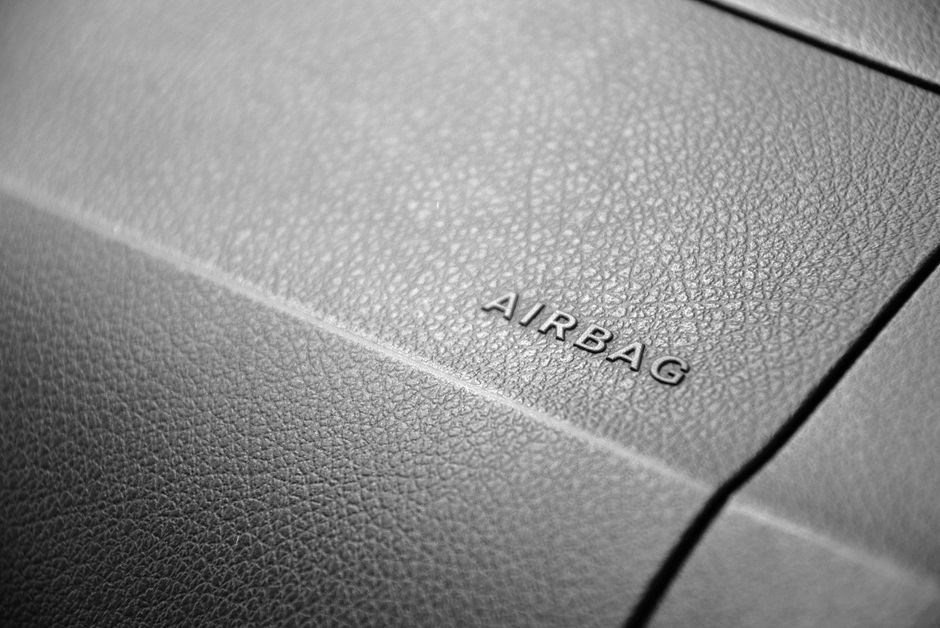
Safety features such as the driver and passenger airbags‚ seat‑belt pretensioners‚ and the optional side‑airbag system are activated automatically during a collision and are designed to reduce injury severity.
The manual also highlights the importance of maintaining proper tire pressure and tread depth‚ as these factors directly influence braking distance and overall vehicle control.
Finally‚ the manual provides a troubleshooting guide for common brake issues‚ including squealing noises‚ reduced pedal feel‚ and warning lights on the instrument cluster‚ and outlines the steps for diagnosing and addressing these problems.
Maintenance Schedule
The 2011 Equinox requires oil changes every 5‚000 miles‚ tire rotations every 7‚500 miles‚ brake inspections at 12‚000 miles‚ and fluid checks every 30‚000 miles. Follow the owner’s manual for seasonal maintenance and keep records for warranty compliance. Check coolant‚ belts‚ and plugs per schedule.
Recommended Maintenance Intervals
For the 2011 Chevrolet Equinox‚ the owners manual recommends the following service schedule to keep the vehicle operating reliably:
- Engine oil and filter: every 5‚000 miles or 6 months‚ whichever comes first.
- Tire rotation and balance: every 7‚500 miles.
- Brake system inspection: every 12‚000 miles.
- Coolant (radiator) flush and replacement: every 30‚000 miles.
- Transmission fluid (automatic) change: every 30‚000 miles.
- Drive‑axle (CV) joint grease: every 30‚000 miles.
- Spark plugs: every 60‚000 miles.
- Engine air filter: every 15‚000 miles;
- Cabin air filter: every 15‚000 miles.
- Battery: inspect annually; replace if voltage drops below 12.6V.
- Wiper blades: replace annually or as needed.
- Headlights and taillights: inspect monthly; replace if dim.
- Check all fluid levels (power steering‚ brake‚ and differential) monthly.
Adhering to these intervals helps prevent costly repairs and ensures optimal performance‚ fuel economy‚ and safety.
Routine checks also include inspecting the suspension components for wear‚ monitoring the battery’s state of charge‚ and verifying the integrity of the exhaust system. Periodic replacement of the timing belt‚ if applicable‚ and cleaning of the engine’s air intake are recommended to maintain engine longevity and efficiency!!
Drivers keep the ventilation cleanandreplace filter every 15‚000 miles to preserve air quality. !

Troubleshooting & FAQs
Common issues include a dead battery‚ low engine oil‚ or a faulty alternator. Check battery terminals for corrosion‚ replace the oil filter‚ and test the alternator output. If the check‑engine light stays on‚ use a diagnostic scanner to read codes for all models. and!!
Common Issues and Solutions
Owners frequently report a few recurring concerns that the 2011 Equinox manual addresses. One is a persistent “Check Engine” warning triggered by a loose or corroded oxygen sensor. The fix is to replace the sensor and clear the code with an OBD‑II scanner. Another issue involves the power‑train’s “idle‑control” system‚ which can cause rough idling after a cold start. The manual recommends inspecting the idle‑control valve for blockage and cleaning or replacing it as needed. Battery drain is also common‚ especially in models with the optional navigation system. The guide advises checking all electrical connections for corrosion‚ tightening terminal clamps‚ and using a multimeter to verify a 12‑volt supply. A third frequent complaint is the air‑conditioning compressor failing after extended use. The solution is to inspect the compressor clutch for wear‚ replace the clutch if necessary‚ and ensure the refrigerant charge is correct. Finally‚ many owners notice a squealing noise from the front brakes after a long drive. The manual directs a brake pad inspection‚ replacement of worn pads‚ and a brake fluid flush if the fluid appears contaminated. Following these steps‚ as outlined in the troubleshooting section‚ can restore reliable operation and extend the vehicle’s lifespan. If the problem persists‚ consult a technician or visit a dealership for diagnostics. Remember to keep the manual handy for maintenance schedules and safety guidelines. This ensures safe‚ efficient. for drivers!!!