

Embark on a structured ACFT journey with a downloadable PDF workout plan․ This guide offers concise, science‑backed routines tailored for Army Fitness Test demands, ensuring you hit strength, endurance, and power milestones efficiently․ Use this PDF to track progress, adjust intensity, and stay accountable․daily
Purpose of this Plan
The ACFT workout plan PDF serves as a comprehensive, mission‑aligned training companion designed to streamline preparation for the Army Combat Fitness Test․ By consolidating periodized workouts, progressive overload principles, and recovery strategies into a single, portable document, the plan eliminates guesswork and maximizes training efficiency․ Users can quickly reference daily sessions, track performance metrics, and adjust load variables in real time, ensuring that each rep, set, and interval directly contributes to measurable improvements in the six ACFT events: the 2‑mile run, hand‑release push‑ups, sprint‑dive‑burpee, leg tuck, standing power throw, and the 60‑meter sprint․
The PDF format allows for offline access, easy printing, and the ability to annotate progress notes, making it ideal for soldiers stationed in remote locations or those who prefer a tactile training log․ Moreover, the plan incorporates evidence‑based guidelines for nutrition, sleep hygiene, and injury prevention, fostering a holistic approach that supports long‑term fitness resilience․ Whether you are a new recruit aiming to meet baseline standards or a seasoned veteran targeting record‑setting scores, the ACFT workout plan PDF provides a clear, actionable roadmap that aligns training volume and intensity with individual goals, thereby enhancing confidence, reducing stress, and ultimately elevating overall combat readiness․
This PDF drives progression, aligning every workout with ACFT metrics while accommodating schedules and recovery needs for all levels․
Use this plan to monitor progress, adjust loads, milestones, and stay focused !!
ACFT Overview
ACFT workout plan PDF outlines the six Army events, their metrics, and how to train each for peak performance․ It offers periodized drills, load progression, and recovery guidelines to help soldiers meet or exceed standards efficiently․ This PDF also includes sample workouts and log․
Key Components
ACFT workout plan PDF is a comprehensive toolkit designed to guide soldiers through the rigorous demands of the Army Combat Fitness Test․ The document is organized into distinct modules that mirror the six ACFT events—3‑Mile Run, Hand‑Release Push‑Ups, Leg Tuck, 2‑Mile Run, Standing Power Throw, and Sprint‑Drag‑Carry․ Each module contains a concise description of the event, the official scoring criteria, and the specific physical attributes it evaluates․
Central to the PDF is a periodized training schedule that spans 12 weeks, segmented into macrocycles, mesocycles, and microcycles․ The macrocycle focuses on overall conditioning, mesocycles target event‑specific skill development, and microcycles provide daily workouts with precise volume, intensity, and recovery cues․ The plan incorporates progressive overload principles, ensuring that load increases are calibrated to the soldier’s current fitness level while mitigating injury risk․
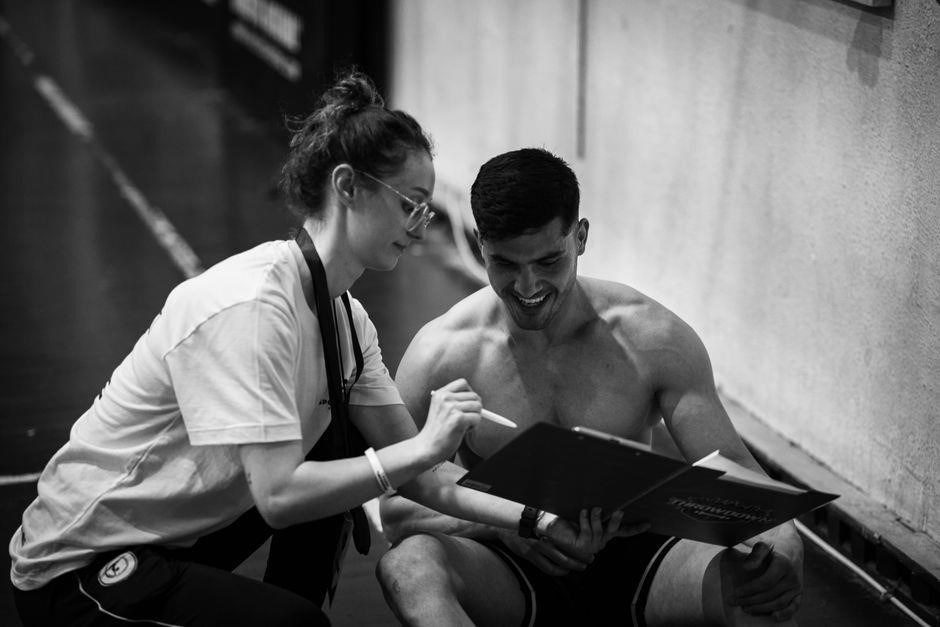
To facilitate self‑monitoring, the PDF includes a printable log sheet that tracks repetitions, distance, time, and weight for each session․ The log also features a color‑coded progress bar that visually represents performance trends over time․ Additionally, the plan offers optional nutrition guidelines, hydration reminders, and mental resilience tips to support holistic performance gains․
For flexibility, the PDF provides alternative exercises for common limitations—such as modified push‑ups for shoulder pain or step‑ups for those without a leg tuck․ Each alternative is accompanied by a clear conversion chart to maintain comparable training stimulus․ Finally, the document concludes with a “Ready‑to‑Test” checklist, ensuring soldiers complete a full mock ACFT under test conditions before the official exam․

Benefits of a PDF Workout Plan
Using a PDF workout plan streamlines training, offers instant access to structured sessions, and enables precise progress tracking․ Soldiers save time, avoid guesswork, and stay motivated with clear milestones, adjustable intensity, and downloadable logs that fit any schedule․ Consistency builds confidence․
Time and Organization
When training for the ACFT, time is a scarce resource․ A PDF workout plan consolidates all sessions into a single, portable document, allowing you to glance at the week’s schedule in seconds․ By grouping exercises into logical blocks—warm‑up, main lifts, conditioning, and cool‑down—you eliminate the need to flip through multiple pages or search online for guidance․ The PDF format also supports instant printing, so you can keep a hard copy on your desk or in your gym bag for quick reference during training sessions․ Clear labeling of sets, reps, and rest intervals helps you stay on track, preventing over‑training or under‑training․ Adjusting intensity becomes a matter of editing a single line, updating the entire week automatically, saving hours of manual re‑editing․ This level of organization reduces mental fatigue, allowing you to focus entirely on technique and performance․ By integrating the PDF into a daily routine—reviewing it before each workout and marking completed sets—you create a habit of accountability․ Over time, this habit translates into measurable gains, as you consistently hit the prescribed volume and intensity․ The convenience of a searchable document also means you can quickly reference past progress, compare current performance to previous weeks, and identify trends that may require program tweaks․ In short, a PDF workout plan turns time management from a chore into a strategic advantage, ensuring every minute spent in the gym contributes directly to ACFT success․
Moreover, the PDF’s digital nature lets you sync updates across devices, turning idle moments into quick checkpoints․ Consistent use encourages disciplined time allocation; set specific blocks for each session, ensuring you never exceed your daily training budget․ Over time, this approach cultivates a professional mindset, essential for mastering the ACFT’s demanding standards․
The PDF also supports edits, so you can adjust volume or intensity on the fly without losing track of your progression․
This workflow keeps you focused for ACFT challenges․
It saves time when reviewing progress!!!

Designing Your Plan
Begin by defining your ACFT goals, then select a template that matches your schedule․ Use the PDF to map strength, endurance, and power sessions, ensuring balanced progression․ Adjust volume weekly, track metrics, and keep the plan flexible for recovery needs․ Track progress weekly, load, avoid plateaus․!

Choosing a Template
Choosing the right template for your ACFT PDF workout plan is essential․ Evaluate your fitness level and target ACFT events․ A good template should have clear sections, color‑coded for quick reference, and allow logging reps and times․
- Difficulty: Pick beginner, intermediate, or advanced based on your baseline․
- Focus: Emphasize the ACFT events you struggle with․
- Format: Decide between a printable PDF or interactive form․
- Customization: Ensure you can add or remove exercises․
- Tracking: Look for built‑in charts or logs․
After selecting a few options, test each by filling in a week’s data․ Compare how the template feels—does it motivate you or feel cluttered? The best choice balances clarity, flexibility, and visual appeal, helping you stay organized and focused on ACFT goals․
When reviewing templates, watch layout density․ A cluttered sheet can overwhelm; a minimalist design may lack detail․ Many PDFs include sample fill‑in sheets, exercise logs, and progress charts․ Choose one that matches your learning style—visual learners may prefer color blocks, while analytical users might favor tables with numeric fields․
Finally, consider the source․ Official Army or reputable fitness sites often provide evidence‑based structures․ Free community templates can be creative but may lack scientific backing․ Balance accessibility with credibility to keep your plan effective and trustworthy․
With the right template, you’ll have a clear roadmap to tackle each ACFT component confidently․ Remember, consistency is key always․

Sample Weekly Schedule
Design a balanced week: Monday – upper‑body strength, Tuesday – ACFT conditioning, Wednesday – core & mobility, Thursday – lower‑body power, Friday – full‑body HIIT, Saturday – active recovery, Sunday – rest․ Log reps, times, and notes in the PDF to track progress․ — 2026!!․
Weekly Structure
Creating a coherent weekly layout is essential for mastering the ACFT․ Begin by allocating specific days for each component: upper‑body strength, lower‑body power, core endurance, and cardiovascular conditioning․ A typical week might look like this: Monday focuses on bench‑press and push‑ups, Tuesday on sprint intervals and agility drills, Wednesday on deadlifts and farmer’s carries, Thursday on core circuits, Friday on plyometric jumps and burpees, Saturday on a long‑distance run, and Sunday for active recovery or rest․ Each session should start with a dynamic warm‑up that includes mobility work for the shoulders, hips, and ankles, followed by a strength block that targets the primary muscle groups used in the ACFT․ After the strength block, incorporate conditioning that mimics the test’s demands, such as timed shuttle runs or weighted carries․ Finish with a cool‑down featuring static stretches and foam‑rolling to aid recovery․ Use the PDF to log sets, reps, and times, and adjust volume based on progress․ This structure ensures balanced development, reduces injury risk, and keeps training focused on test‑specific performance․ Periodization cycles every four weeks, alternating heavy, moderate, and recovery phases to avoid plateaus and promote continual gains․ Recovery strategies such as foam‑rolling, active stretching, and sleep sustain performance daily and !!․
Exercise Breakdown
Focus on three pillars: strength, endurance, and power․ Include weighted pull‑ups, weighted squats, and medicine‑ball throws․ Pair with interval sprints, plank circuits, and plyometric jumps․ Log reps, sets, and time in the PDF for precise tracking․ Track progress weekly for gains․!
Strength, Endurance, Power
Strength training focuses on compound lifts that mirror ACFT events: weighted pull‑ups, barbell back squats, and weighted push‑ups․ Aim for 3‑5 sets of 3‑6 reps at 70‑85% of 1RM․ Incorporate progressive overload by adding 5‑10 lbs each week․ Use the PDF to log load, reps, and rest intervals, ensuring consistent progression․
Endurance builds aerobic capacity and muscular stamina․ Include 400‑m runs at 80% effort, 2‑mile runs at a steady pace, and interval circuits of 30‑second high‑intensity bursts followed by 30‑second rest․ Schedule 2‑3 endurance days weekly, tracking time, distance, and heart rate in the PDF․ Gradually increase distance or intensity to avoid plateaus․
Power enhances explosive strength critical for the 3‑meter sprint and standing power throw․ Perform plyometric drills such as box jumps, medicine‑ball slams, and kettlebell swings․ Use 3‑4 sets of 8‑10 reps, focusing on maximal velocity․ Record jump height and force metrics in the PDF to monitor improvements․ Integrate power work 2 times per week, ensuring adequate recovery․
Combine these pillars into a balanced weekly schedule: 3 strength days, 2 endurance days, and 2 power days․ Use the PDF template to allocate specific exercises, sets, reps, and rest periods․ Regularly review logged data, adjust loads, and set micro‑goals to maintain motivation and track progress toward ACFT benchmarks․
Track heart rate zones and VO₂ max to fine‑tune training․ Review adjust volume based on recovery!
Staying Motivated
Set clear, measurable milestones in your PDF plan․ Celebrate each small win, track progress visually, and share updates with a training buddy․ Use the PDF’s goal‑setting section to adjust intensity, keep routines fresh, and maintain focus on the ACFT finish line․ Keep pushing ahead․
Goal Setting Techniques
Begin by defining a clear, measurable objective that aligns with your ACFT target score․ Break the overarching goal into smaller, incremental milestones—weekly, bi‑weekly, and monthly checkpoints—each documented in the PDF planner․ Assign specific metrics (e․g․, push‑up count, sprint time, or weighted carry distance) to these checkpoints, ensuring you can objectively assess progress․
Use the SMART framework: goals should be Specific, Measurable, Achievable, Relevant, and Time‑bound․ For instance, “Increase the 2‑mile run time by 30 seconds within 8 weeks” is a SMART target that can be tracked in the PDF’s progress log․ Incorporate a visual progress bar or color‑coded status indicator in the PDF to instantly communicate how close you are to each milestone․
Schedule regular self‑review sessions—ideally every two weeks—to evaluate performance data, adjust training variables (volume, intensity, recovery), and recalibrate goals if needed․ During these reviews, note any plateaus or setbacks, and use the PDF’s “Reflection” section to brainstorm corrective actions such as technique drills, mobility work, or supplemental conditioning․
Leverage accountability tools: share your PDF plan with a training partner, coach, or online community․ Set up weekly check‑ins where you report achievements and challenges․ This external feedback loop reinforces commitment and provides motivation to push through difficult phases․
Finally, celebrate every milestone, no matter how small․ Record celebrations in the PDF’s “Achievements” log, and reward yourself with a meaningful incentive—extra rest, a favorite meal, or a short leisure activity․ Positive reinforcement not only boosts morale but also cements the habit of consistent effort toward the ACFT․
Incorporate mental rehearsal by visualizing each ACFT event, focusing on proper form and breathing patterns․ Document these visualizations in the PDF’s “Mindset” section, noting any emotional triggers that could affect performance․ Track sleep quality and nutrition in the PDF’s “Recovery Log,” aiming for 7–9 hours of sleep per night and balanced macronutrients to fuel workouts․ When setbacks occur, use the PDF’s “Problem Solver” worksheet to identify root causes and implement corrective strategies, turning obstacles into learning opportunities․ Stay consistent, and trust the process․ Your dedication will reflect in every metric․ Push forward․ Stay!